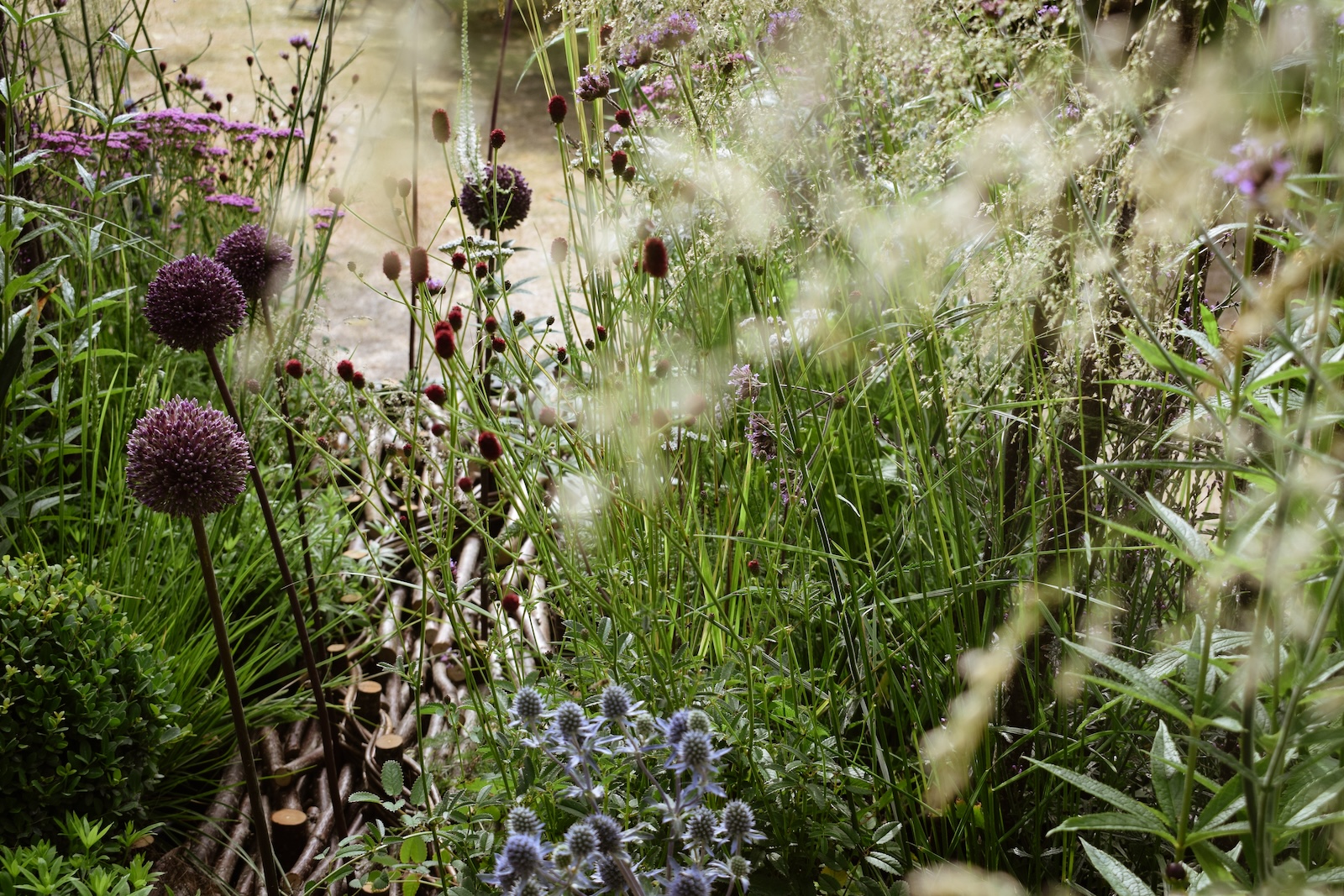
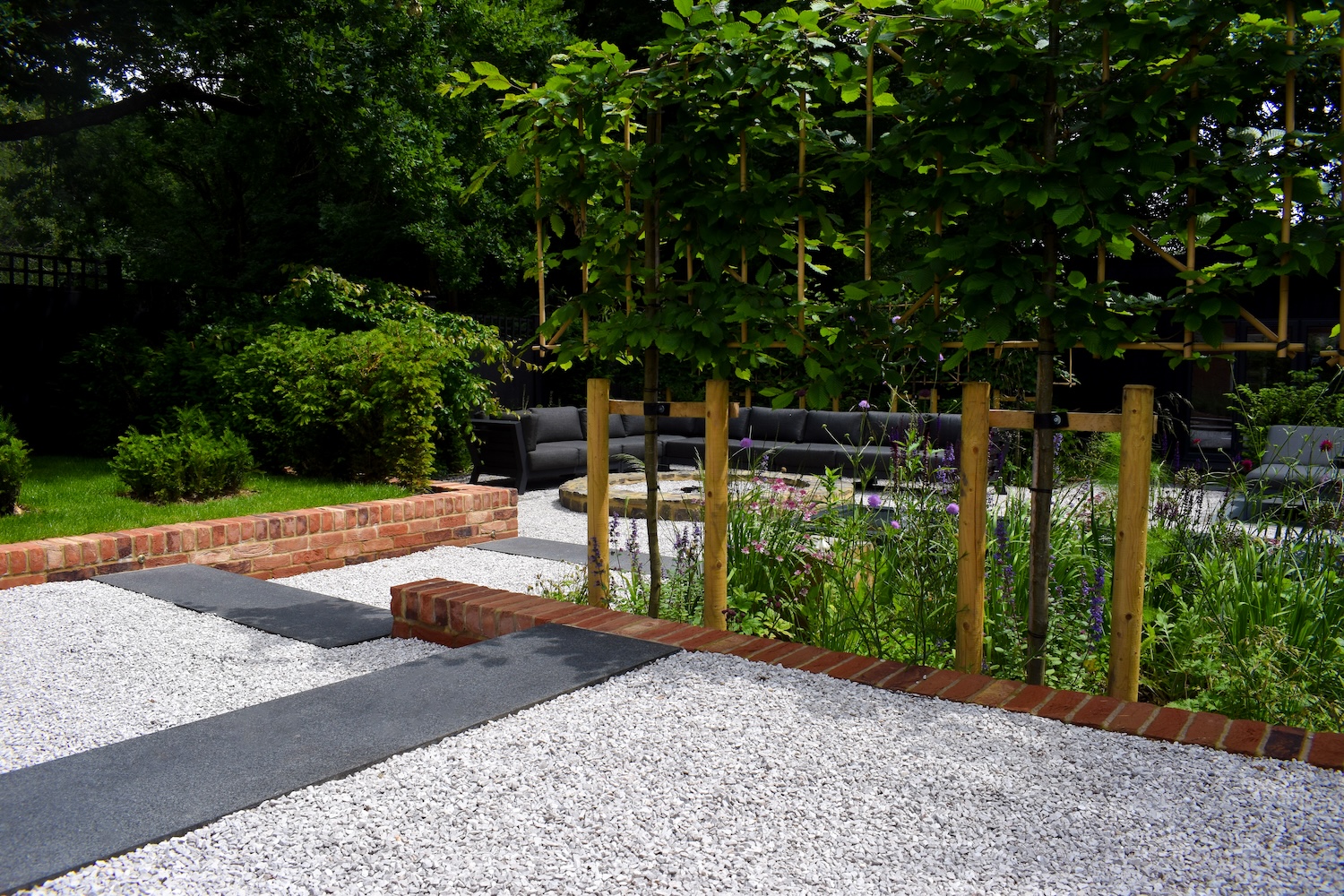
When my clients approached me to transform their garden with a focus on planting design rather than hard landscaping, I embraced the opportunity to create a space where both flora and native fauna could flourish. The goal was to design a garden that feels alive, dynamic, and deeply connected to the natural world—a sanctuary for both people and wildlife
The vision was to craft a garden that captivates in every season, where each turn of the year brings new delights. This was achieved through naturalistic planting, using the drift planting technique inspired by the way plants mingle and flow in nature.
The result is a garden that rewards observation, with surprises and textures emerging throughout the year.
Key to this design was the selection of plants that work together to create layers of colour, movement, and texture. Among the stars of the scheme are:
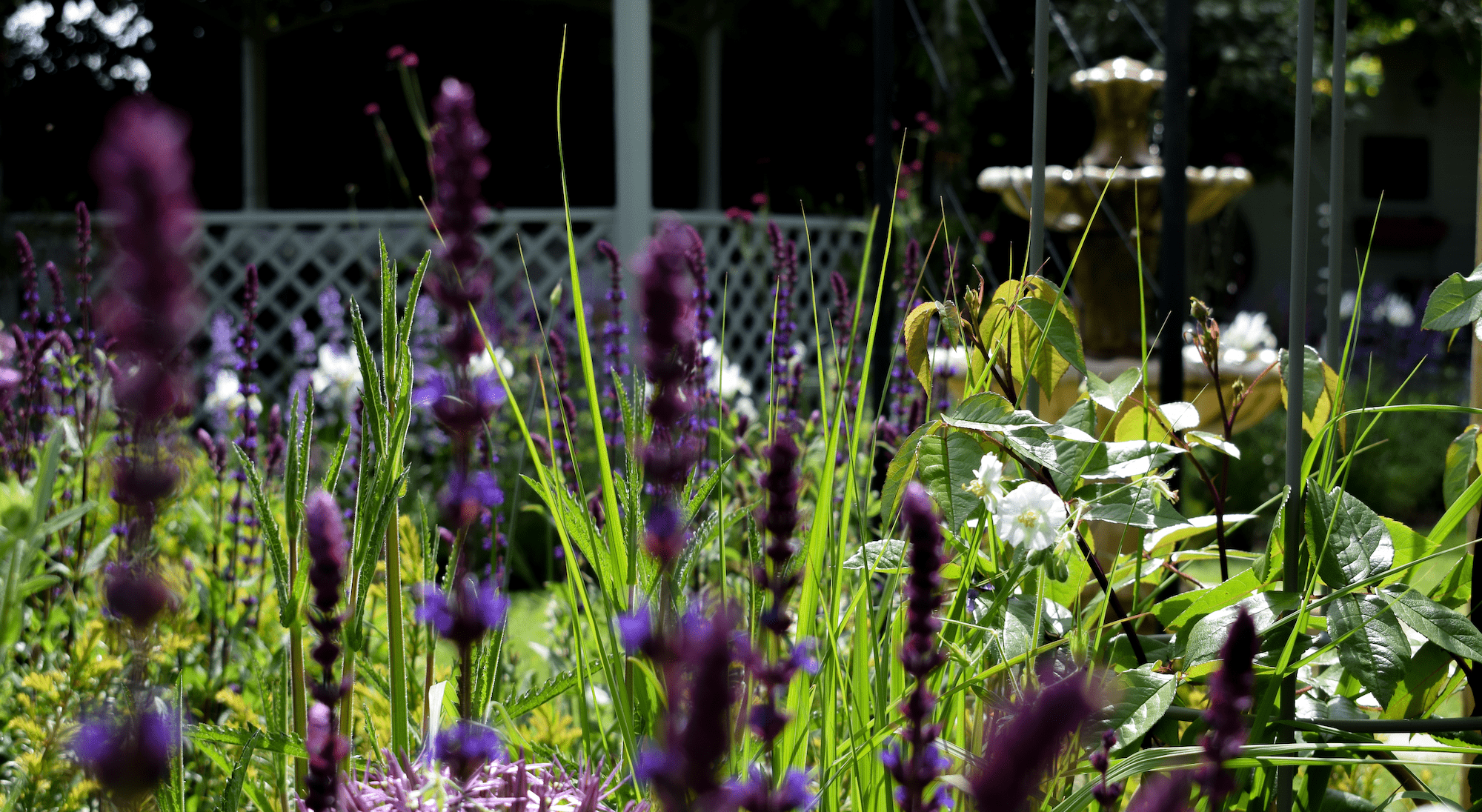
Salvia nemorosa ‘Caradonna’ – Known for its striking deep purple spires, adding vertical interest to the borders.
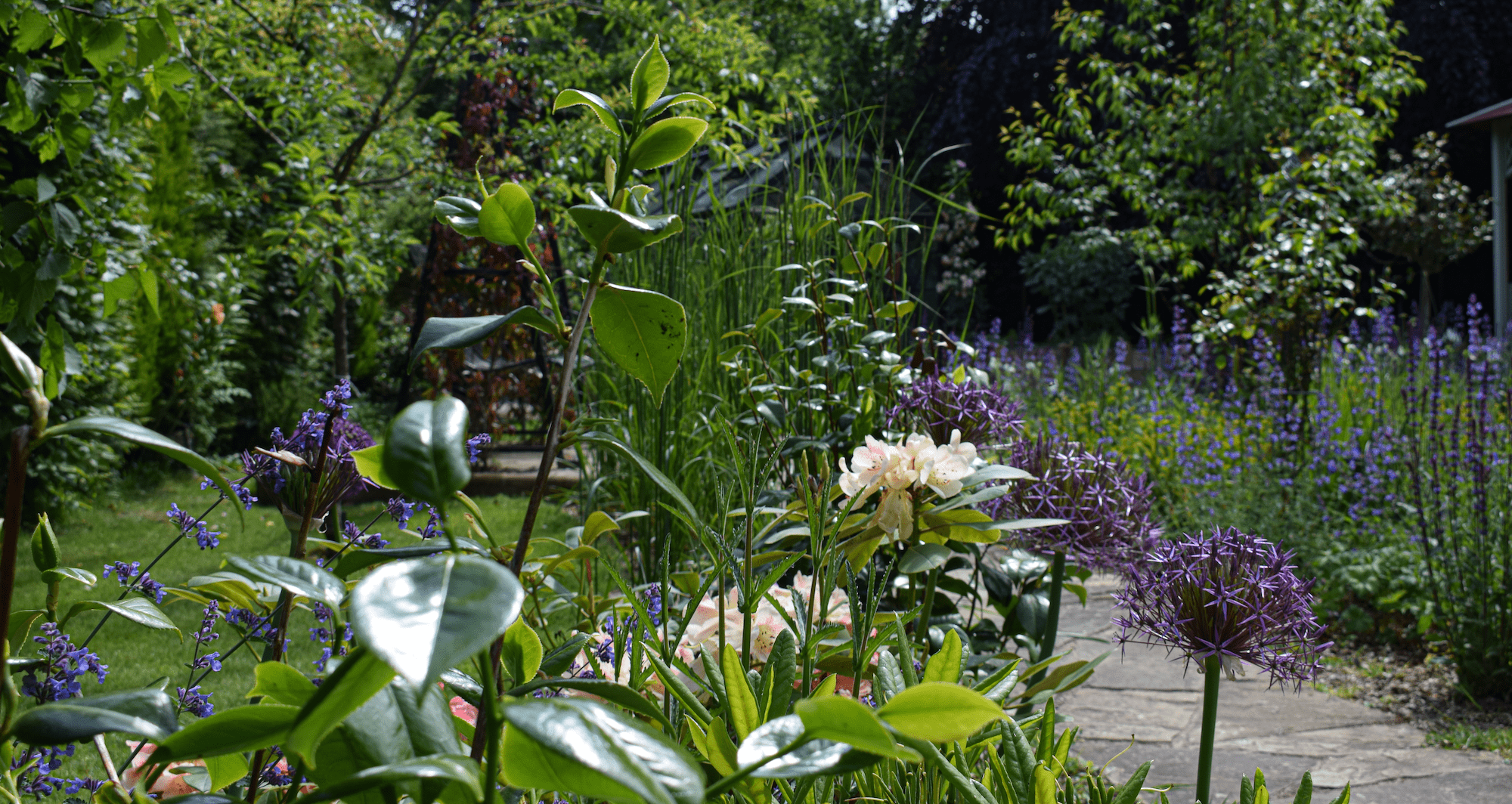
Nepeta ‘Six Hills Giant’ – A soft haze of gentle blues that seem to float effortlessly among the grasses.
Molinia caerulea ‘Heidezwerg’ – This delicate grass offers a subtle blend of green and blue tones, creating wonderful movement.
Molinia ‘Edith Dudszus’ – With rust-colored stems and airy seed heads, this grass adds warmth and contrast to the planting design.
A garden is not just about what you see but also what you hear. The gentle sound of water, requested by my clients, plays a vital role in the atmosphere of this garden, creating a sense of calm and tranquility. It adds another sensory dimension, making the space a true retreat.
Grasses were pivotal to this planting scheme, and among them, one true standout is: Calamagrostis x acutiflora ‘Karl Foerster’
A star performer, emerging early in the season and offering tall, slender stems topped with delicate seed heads. Whether used within herbaceous borders or in bold, standalone groupings, it brings elegance and movement to the design
Another highlight is Sanguisorba officinalis ‘Tanna’ – One of my personal favourites. Its deep plum flower heads appear to hover delicately among the grasses, adding another layer of beauty and texture to this naturalistic scheme.
To provide structure and a sense of enclosure, evergreen hedges were used as a natural backdrop for the planting.
Small hedges of Taxus media ‘Groenland’ were also added to subtly divide the new beds, giving formality and rhythm to the design.
This garden blends cultivated plants with wildflowers, creating a space that feels deeply rooted in nature. Some of the other plants used in the design include:
Scabiosa caucasica Perfecta Blue
Lavender
Aqualegia vulgaris stellata Black barlow
Aquilegia vul. Munstead white Digitalis alba
Geranium phaeum. ‘Album’
Eryngium planum
Echinacea pallida and pupurea
Allium sphaerocephalon
Allium (Nectaroscordum) siculum
Verbena bonariensis
Iris sibirica
Echinops
Devil’s-bit scabious
Ragid robin
Teasels
Knaughtia arvensis
Brown knapweed
By combining these plants, the garden achieves a wonderful balance—a cultivated yet naturalistic feel that ties it seamlessly to the surrounding landscape.
This project was a joy to design, and I hope these glimpses of the garden’s journey bring you a sense of its beauty. From the careful planting to the interplay of textures, this is a garden where nature feels at home, offering peace and inspiration in every corner.
For more information please contact Tim on 07843 487 394
“Although we are both passionate about gardening, we thought hiring a designer would make the garden more aesthetically cohesive.
We wanted someone with experience to bounce ideas off and make a garden that is welcoming and beautiful.
Tim immediately understood the kind of atmosphere we hoped to create and was knowledgeable about which kinds of plants would work best. Our garden looks even better than I could have imagined.”
“I would be happy to recommend Tim to anyone thinking of transforming their garden.
Tim achieved a good balance between following our vision and adding lots of interesting ideas. He incorporated elements that were important to us, such as our water fountain, while suggesting many other things.
Overall, we couldn't be happier with the wonderful garden Tim designed for us. It really is our favourite thing about coming home!”
“Nothing we asked was too much trouble for Tim.
We were working on a major building project at the same time, so Tim’s soothing, measured approach was a real pleasure.
The finished garden is extremely calming and reflects our whole experience of working with Tim.”
“We set a tough brief for Tim in terms of functionality of space and views from the house.
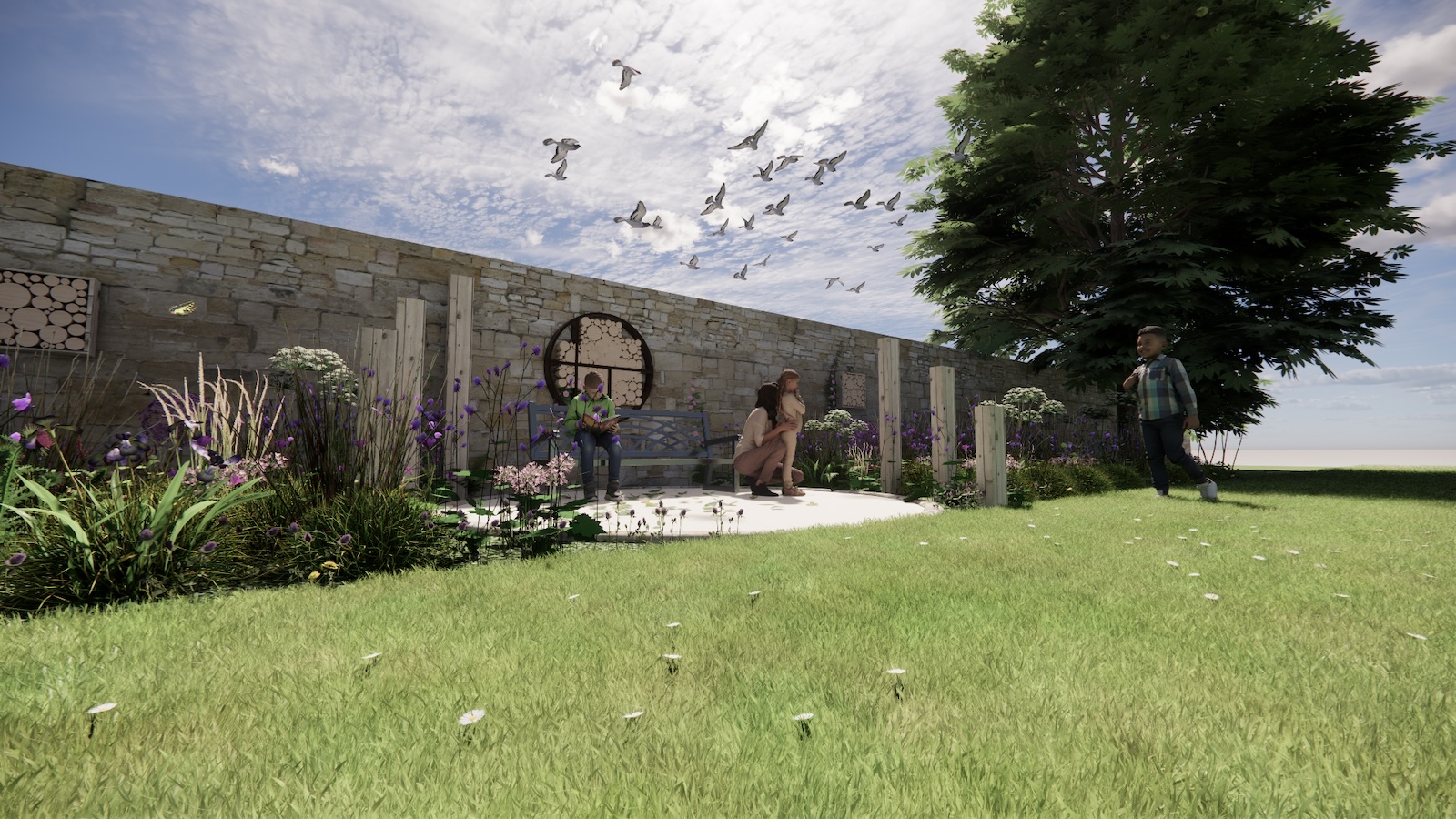
Tim’s use of computer models allowed us to really understand what we would get and what the design would look like from all aspects which gave us confidence to proceed with the design.
Tim managed the work on site very diligently with lots of attention to detail which made a huge difference to quality. The finished product is amazing!”